Early Orthodontic Assessment in Mitcham
Not every child needs braces early—but every child benefits from an early orthodontic assessment.
An early orthodontic evaluation allows us to monitor how your child’s teeth and jaws are developing, identify potential concerns before they become more complex, and determine the ideal time for any orthodontic treatment if it becomes necessary.
At Dental Kraft Mitcham, we carefully assess your child’s developing smile and provide personalised advice based on their growth, rather than recommending treatment too early.
Many children simply require regular monitoring until the appropriate time.
When Should My Child Have an Orthodontic Assessment?
The Australian Society of Orthodontists recommends that children have their first orthodontic assessment around 7 years of age.
We assess:
- Crowding
- Bite alignment
- Crossbites
- Underbites and overbites
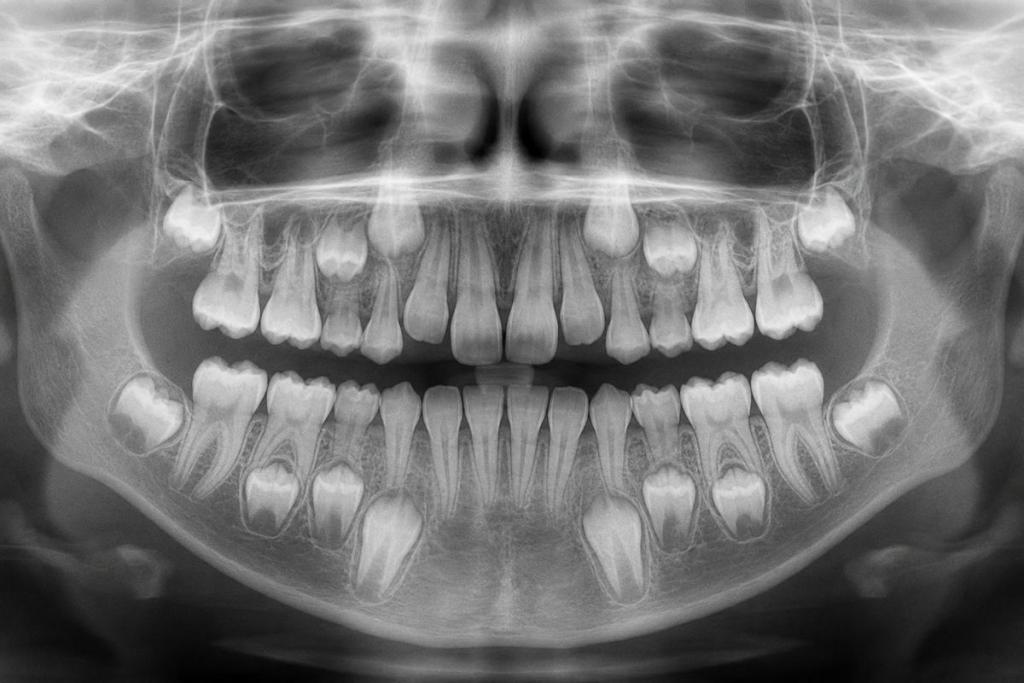
- Jaw growth and facial development
- Space for erupting adult teeth
- Oral habits such as thumb sucking
Early assessment does not always mean early treatment. In many cases, we simply continue monitoring your child’s growth until treatment is appropriate.
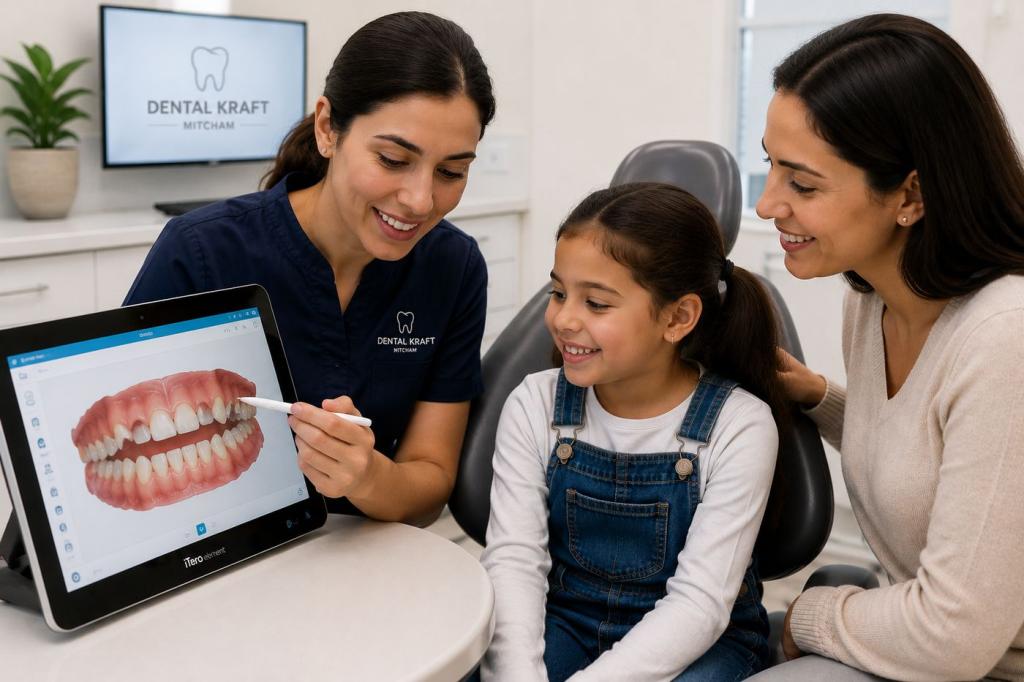
Signs Your Child May Benefit from an Assessment
Some orthodontic concerns are easier to correct when detected early.
Your child may benefit from an assessment if you notice:
- Crowded or crooked teeth
- Early or delayed loss of baby teeth
- Difficulty biting or chewing
- Teeth that protrude significantly
- Mouth breathing
- Thumb sucking beyond the preschool years
- Crossbite, underbite or open bite
- Speech difficulties related to tooth position
Even if your child has no obvious concerns, an early examination provides reassurance that their teeth are developing normally.
Monitoring Growth Before Braces
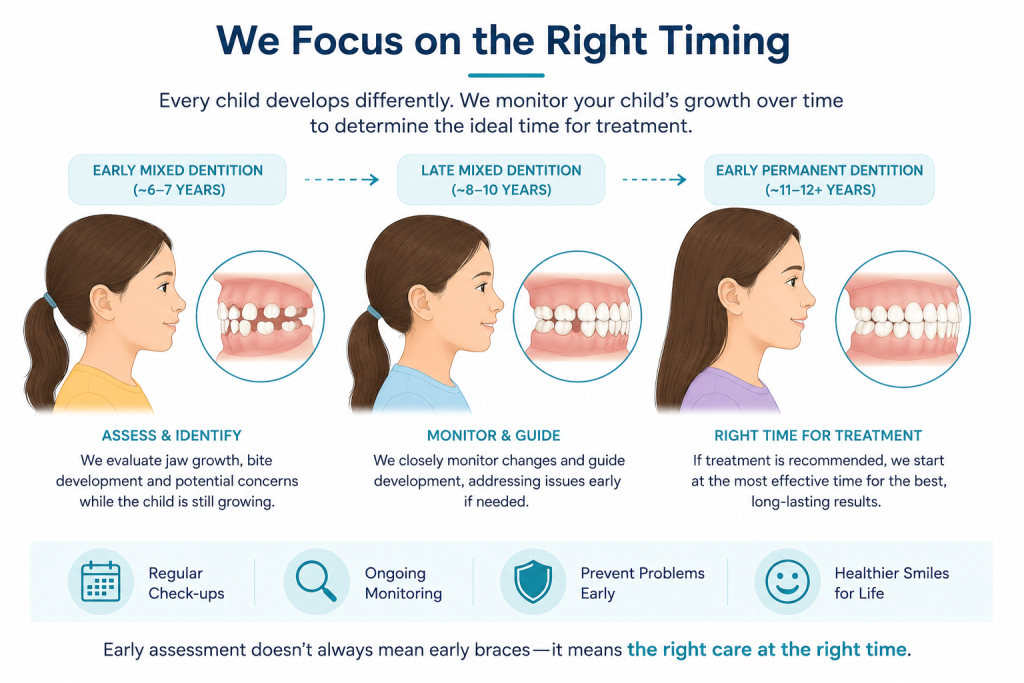
We Focus on the Right Timing
Every child develops differently.
Rather than recommending braces immediately, we often monitor your child’s growth over time to determine the ideal time for treatment.
By reviewing their dental development during routine check-ups, we can identify when intervention may provide the greatest long-term benefit while avoiding unnecessary treatment.
If orthodontic treatment is recommended, we will discuss all available options and, where appropriate, refer you to a trusted orthodontic specialist for comprehensive care.